‘This is fine’ Creator Says AI Startup Stole His Art
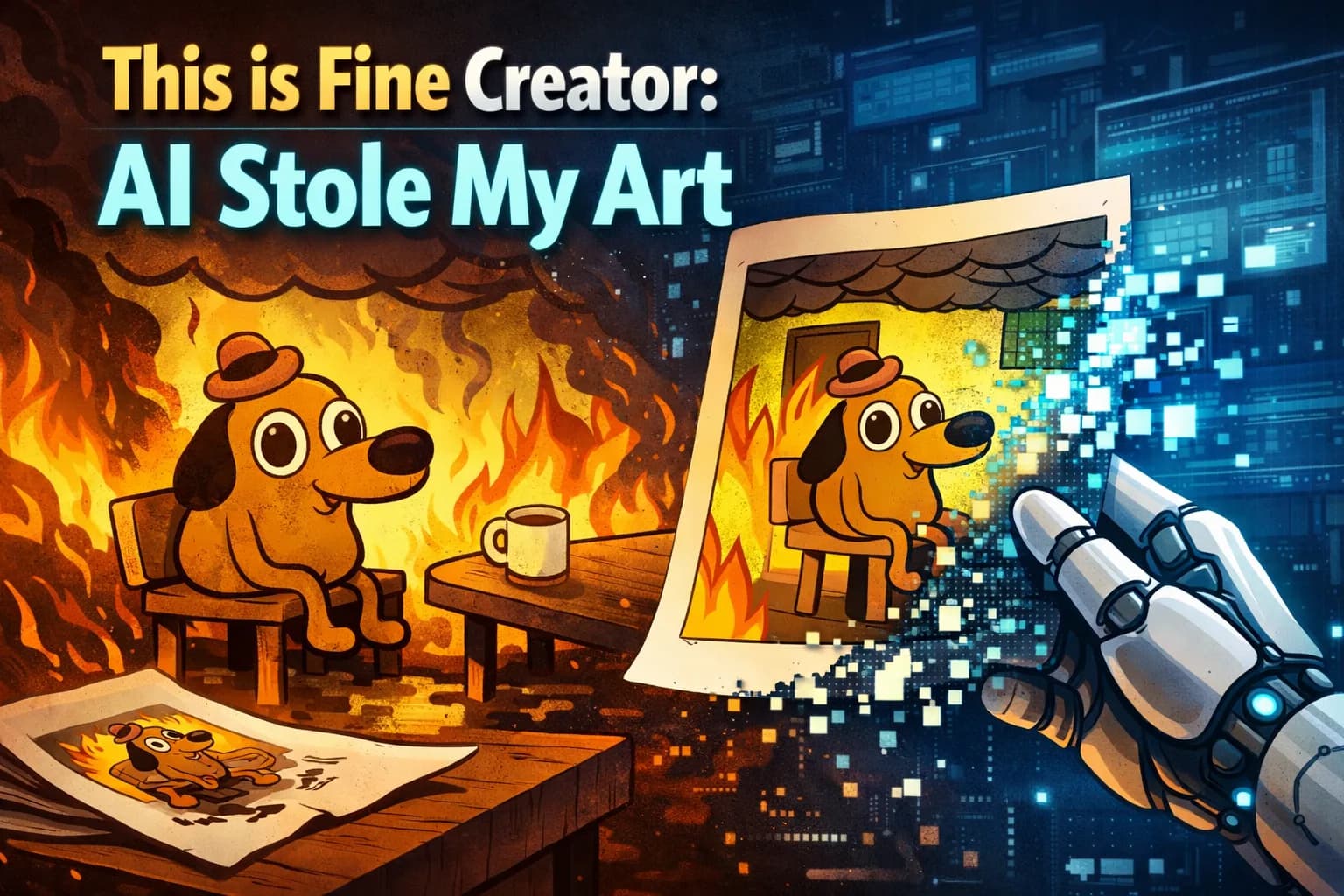
The acclaimed artist behind the widely recognized "This is fine" dog meme has recently made a significant allegation. Specifically, the ‘This is fine’ creator says AI startup stole his art. This accusation highlights growing tensions between human creators and artificial intelligence companies. Furthermore, it raises urgent questions about copyright and artistic integrity in the digital age.
Kansas City-based cartoonist KC Green, the original creator of the popular webcomic strip, claims his work was used without permission. He stated that an unnamed AI company leveraged his distinctive art style to train its generative models. This incident quickly ignited a broader conversation within the artistic community. Many feel increasingly vulnerable to similar unauthorized uses.
As a result, this situation holds substantial implications for the future of digital art and intellectual property law. It challenges existing legal frameworks designed for human-to-human interactions. This means courts must now grapple with how to apply these rules to machine learning processes. Therefore, understanding the specifics of this claim is crucial for artists and developers alike. The outcome could set important precedents.

 #Technology #AIethics #CopyrightLaw #DigitalArt #IntellectualProperty #CreatorRights
The Artist's Stand: Why the ‘This is fine’ Creator Spoke Out
KC Green's decision to publicly announce his grievance stems from a deeper concern for artists' rights. He feels a moral obligation to protect his creative output. Many artists, including Green, have expressed frustration over AI models scraping vast amounts of copyrighted material from the internet. They often do this without consent or compensation. This practice is fundamentally viewed as exploitative by many within the creative sector. Consequently, Green's stance resonates with a broad spectrum of digital artists. For example, the "This is fine" meme, originating from his "Gunshow" comic in 2013, became a global phenomenon. Its ubiquity means its style is instantly recognizable. Therefore, its alleged use by an AI company highlights the potential for widespread imitation. Green's public statement puts a spotlight on these ethical dilemmas. He seeks transparency and fair use policies from AI developers. Indeed, his actions could inspire other artists to come forward with similar claims.Examining the Claims: Did an AI Startup Steal Art?
The specific details of Green's allegations are currently under scrutiny. He claims the AI startup replicated his unique artistic style. This includes line work, character design, and overall aesthetic. However, proving direct theft or copyright infringement in AI training is complex. Existing laws often struggle to address the nuances of machine learning. The legal definition of "copying" becomes blurred when an AI "learns" from an artwork rather than directly reproduces it. This poses a significant challenge for litigators. On the other hand, legal experts are exploring various angles for such cases. They might argue that the output of the AI model constitutes a derivative work. Furthermore, this derivative work could infringe upon the original artist's rights. Alternatively, some might contend that the act of ingesting copyrighted data for training purposes itself violates copyright. This means the debate hinges on interpreting "fair use" in an entirely new technological context. The outcome could redefinewhat artists can expect regarding their intellectual property. The case is still developing. This situation also raises questions about digital provenance. It considers how to track the origin of artistic styles. Therefore, technology might offer solutions in the future. Blockchain or other digital fingerprinting methods could help attribute original creators. Still, current tools are insufficient to prevent widespread scraping. This means artists often face an uphill battle. They must prove unauthorized use, especially when AI outputs are transformative. It is a new frontier in legal disputes.The Broader Impact on Digital Art and Copyright Law
The controversy surrounding the ‘This is fine’ creator's claims extends beyond a single artist. It symbolizes a crucial moment for the creative industries. Many artists worry that generative AI will devalue human creativity. They fear it could lead to job losses. Moreover, the ease with which AI can mimic distinct styles presents an existential threat to individual artistic identities. Consequently, this raises serious ethical considerations. The industry must find ways to balance innovation with protection. Copyright law traditionally grants creators exclusive rights to reproduce, distribute, and adapt their work. However, AI's ability to create "new" content based on learned styles complicates these protections. Legal scholars are debating whether AI training data constitutes "fair use." This legal doctrine allows limited use of copyrighted material without permission for purposes like criticism, comment, news reporting, teaching, scholarship, or research. Nonetheless, applying "fair use" to commercial AI models is highly contentious. Many argue against it. At the same time, this debate is fostering new calls for regulatory action. Artists and advocacy groups are demanding clearer guidelines and potentially new legislation. They want to ensure fair compensation and consent are paramount. This means policymakers globally are beginning to address these complex issues. They are exploring potential frameworks for AI ethics and intellectual property. Therefore, the outcome of cases like Green's could significantly influence future legal landscapes. It shapes how artists operate in an AI-driven world.AI and Artistic Integrity: Navigating a New Landscape for ‘This is fine’ Creator Accusations
The allegations from the ‘This is fine’ creator highlight a fundamental tension between technological progress and artistic integrity. AI models can generate impressive art. However, their reliance on existing human creations for training sparks ethical concerns. Many artists feel their unique voices are being appropriated. This happens without recognition or payment. As a result, maintaining artistic integrity becomes challenging when AI can replicate styles effortlessly. It blurs the lines of originality and authorship.- **Defining Originality:** The legal and philosophical definition of originality is undergoing a significant re-evaluation. It considers AI-generated works.
- **Attribution Challenges:** Tracing the provenance of AI-generated art to specific human source material is incredibly difficult. This causes issues for attribution.
- **Economic Impact:** Artists face potential economic displacement as AI tools become more sophisticated. They can produce art quickly and at scale.
- **Ethical Sourcing:** There is a growing demand for AI developers to ethically source their training data. This includes obtaining proper licenses and consent.
- **Creative Control:** Artists worry about losing control over how their distinct styles are used and interpreted. Especially when AI systems mimic them.
Industry Reactions and Legal Precedents
The allegations by the ‘This is fine’ creator have sent ripples through both the tech and creative industries. AI companies generally emphasize the transformative nature of their tools. They often cite "fair use" precedents for data scraping. However, legal challenges are mounting. Several class-action lawsuits have already been filed against AI art generators. These cases cite widespread copyright infringement. Many prominent figures in the art world are vocal about their concerns. Meanwhile, major media outlets like Reuters have extensively covered these legal battles. They highlight the complexities of applying existing copyright law to AI. These reports often detail the diverse arguments from artists, legal experts, and tech companies. They aim to provide a comprehensive view of the unfolding situation. The outcomes of these early cases will undoubtedly set important legal precedents. They could shape how future AI development proceeds. Furthermore, technology publications such as The Verge are tracking the policy discussions surrounding AI and intellectual property. These platforms offer in-depth analysis of proposed regulations and industry self-governance initiatives. They report on the various solutions being explored to balance innovation with creator rights. This means the conversation is global. It involves governments, corporations, and artist communities. Finding a balanced solution is critical for all parties involved. Similarly, some AI developers are proactively seeking licenses from artists. They aim to avoid legal disputes. This collaborative approach could pave the way for a more equitable future. It emphasizes consent and fair compensation. However, this is still a developing trend. Many companies continue to operate under more aggressive data acquisition strategies. Therefore, the tension persists. The path forward demands careful negotiation and clear ethical guidelines from everyone.Conclusion: The Future for the ‘This is fine’ Creator and Beyond
The situation where the ‘This is fine’ creator says AI startup stole his art is more than just an isolated incident. It represents a watershed moment for intellectual property in the age of artificial intelligence. Artists like KC Green are standing up for their rights. Their actions are forcing a global reckoning. This involves how we define creativity, ownership, and fair use in a rapidly evolving digital landscape. The debate is far from over. It impacts every digital creator. This ongoing conflict underscores the urgent need for clear legal and ethical frameworks. These frameworks must address AI's impact on creative industries. Policymakers, tech companies, and artists must collaborate. They need to forge a path that protects creators while fostering innovation. For more insights into emerging tech trends and their societal implications, explore comprehensive coverage on cutting-edge technology and digital rights. It is a complex issue. As such, the ‘This is fine’ creator's brave stance is igniting important conversations worldwide. It forces us to confront fundamental questions about the value of human art. Moreover, it challenges how we ensure artists can thrive in an AI-powered future. The outcome will affect not just a single meme, but the entire creative ecosystem. You can find further analysis and articles on these crucial developments at More tech coverage at TechPerByte. The journey ahead requires careful navigation by all stakeholders.
#Technology #AIethics #CopyrightLaw #DigitalArt #IntellectualProperty #CreatorRights