AI-generated actors and scripts are now ineligible for Oscars: A New Era
The Academy of Motion Picture Arts and Sciences recently announced a pivotal change. Specifically,
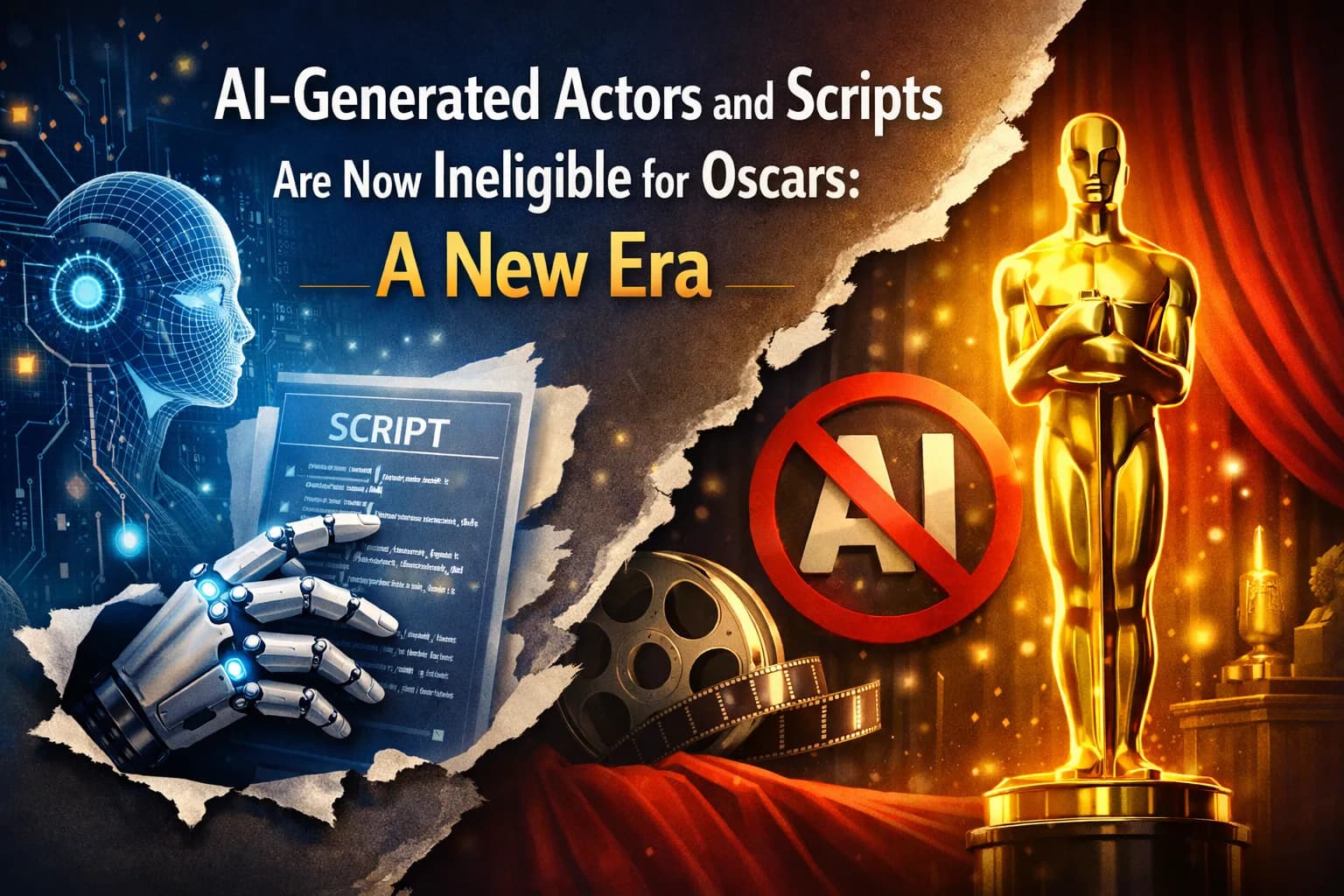
AI-generated actors and scripts are now ineligible for Oscars. This ruling marks a significant moment for the film industry, clarifying the Academy's stance on artificial intelligence in creative works. It sets a clear boundary for future awards considerations.
Consequently, this decision affects several categories within the prestigious awards. Film productions relying heavily on AI for principal performances or screenplays will not qualify. This move reflects a growing conversation within Hollywood about the role of technology. It emphasizes the irreplaceable value of human artistry and creativity.
Above all, this development carries immense weight. It could influence how filmmakers approach production in the coming years. Furthermore, it highlights the ethical and artistic dilemmas posed by advanced AI technologies. The Academy aims to preserve the integrity of human-led storytelling, ensuring that accolades reward genuine creative effort.

 #Technology #AIinFilm #OscarRules #FilmMaking #HumanCreativity #AcademyAwards
Understanding Why AI-Generated Actors and Scripts Are Now Ineligible for Oscars
The Academy’s new eligibility rules for the 97th Oscars were unveiled with precise detail. They dictate that "AI-generated actors and scripts are now ineligible for Oscars" if they constitute a "principal role" or "majority" of the screenplay. This means human input must significantly outweigh any AI contribution in core creative areas. The rules aim to draw a definitive line, maintaining the focus on human achievement. In addition, the Academy has established specific thresholds. To qualify for Best Picture, all "key creative contributors" must be human. This includes the director, cinematographer, editor, and actors. Furthermore, the submitted film must feature a "majority human-led creative contribution" across various production aspects. These guidelines ensure human oversight and effort remain paramount.Defining AI in Oscar Eligibility: What the Rules Mean for AI-Generated Content
For example, if an actor’s performance is entirely synthesized by AI, that performance would be disqualified. Similarly, a script primarily written by an AI algorithm would not meet the criteria. The Academy acknowledges AI as a tool. However, it differentiates between AI as an aid and AI as the primary creative force. This distinction is crucial for understanding the new regulations. That said, the rules do not outright ban the use of AI tools in production. Directors can still use AI for visual effects, sound design, or minor background elements. The core principle is that the artistic vision and execution must fundamentally stem from human creators. The Academy aims to foster innovation without sacrificing the essence of human storytelling.The Broader Impact of AI Ineligibility on Hollywood and Beyond
The Academy’s decision reverberates throughout the film industry. Many creators and industry professionals welcome the clarity. They believe it safeguards artistic jobs and ensures authentic narratives. On the other hand, some technology proponents argue that strict limitations could stifle innovation. They suggest exploring hybrid creative models. At the same time, the ruling highlights a growing concern over intellectual property rights. Who owns the creation if an AI generates a significant portion of a script or performance? This question remains a complex legal and ethical challenge. The Academy's stance indirectly pushes for clearer boundaries in this evolving landscape. Consequently, other awards bodies and creative industries may follow suit. The Oscars often set precedents for global standards in entertainment. Therefore, this move could influence policies in music, literature, and visual arts. It encourages a global dialogue about the balance between technological advancement and human creativity. This means protecting the unique contribution of human artists.Navigating the Verification Process for AI-Generated Actors and Scripts
Enforcing these new rules presents unique challenges. The Academy will need robust mechanisms to verify the level of AI involvement in submitted films. This means a new layer of scrutiny for productions. Filmmakers must now be prepared to disclose their use of AI tools transparently. Transparency is key to maintaining trust.- Verification might involve detailed production logs and technical breakdowns. These documents would outline every creative contribution.
- Studios may need to submit declarations confirming human authorship for key elements. This ensures compliance with the new regulations.
- Specialized committees could be formed to review complex cases. They would assess the degree of AI integration versus human input.
- New software tools might emerge to detect extensive AI generation in media. Such tools could aid the verification process significantly.
- Ultimately, the responsibility falls on filmmakers to adhere to the spirit of the rules. They must prioritize human creativity in their work.
Industry Reactions and Future Prospects Regarding AI in Film
The reaction from filmmakers has been mixed but largely positive among established creatives. Many directors and writers express relief that human creativity remains prioritized. For example, prominent industry figures like Christopher Nolan have openly championed practical effects and human performances over AI. Nolan consistently highlights the unique texture of human craft. In fact, major studios are already evaluating their production pipelines. They seek ways to integrate AI responsibly without crossing the Academy's lines. The Reuters news agency reported on initial industry efforts to establish best practices. This ensures compliance while still exploring technological enhancements. Meanwhile, AI developers and tech companies continue to push boundaries. They are developing tools that could potentially redefine filmmaking. However, the Academy’s ruling sends a clear message about artistic boundaries. A recent Forbes article explored the commercial implications for AI startups in entertainment. This includes the potential for new market segments focusing on AI as an assistive tool. Nevertheless, the long-term impact on the craft itself remains to be seen. Filmmakers might become more conscious about how and where they employ AI. This could lead to a renaissance of traditional filmmaking techniques. Moreover, it might inspire new forms of human-AI collaboration that respect artistic integrity.The Road Ahead: AI-Generated Actors and Scripts are Now Ineligible for Oscars
The decision that AI-generated actors and scripts are now ineligible for Oscars is a landmark. It reflects the Academy’s commitment to preserving human artistry in cinema. This ruling signals a moment of reflection for the entire entertainment world. It challenges creators to define their relationship with emerging technologies. Still, the conversation around AI in film is far from over. This initial ruling simply establishes a baseline for award eligibility. Filmmakers and technologists will continue to innovate. You can learn more about how technology is shaping creative industries at TechPerByte's in-depth analysis. We cover the latest trends and their implications. Therefore, the Academy’s rules will likely evolve as AI technology advances. Future iterations might refine definitions and expand on specific use cases. However, the core principle remains firm. For now, the spotlight at the Oscars will shine solely on human creativity. Explore more on the intersection of art and tech by visiting More tech coverage at TechPerByte for continuous updates.
#Technology #AIinFilm #OscarRules #FilmMaking #HumanCreativity #AcademyAwards